
The control plane for the world’s GPUs
The world bought the GPUs. Nobody built the grid.
Kinesis builds it. No hardware of your own needed: start on Kinesis capacity or connect the clouds you like, and Kinesis finds the best GPUs at the price you set. Launch a private LLM from the App Gallery in a few clicks, or deploy your own apps. Kinesis keeps them running, and everyone sees the same picture.
 App Deployment Platform of the Year 2026CIOReviewStevie® Award winner 2025New Service of the Year

How it works
Connect compute from anywhere, and let Kinesis do the rest.
Bring the cloud accounts you like, start with Kinesis capacity, or both.
Connect your compute
Start on Kinesis capacity, add an API key for each cloud you use, and bring the servers you already own with one command.
Kinesis runs it and keeps it running
Kinesis finds the GPUs your app needs across every source, places it on the best match and scales it with demand. When a machine fails at 3 a.m., it brings up a replacement on its own.
See all of it in one place
Every app, machine and person across your organization: what runs where, who uses what, and what each project costs.
Illustrative example
Up and running
In our benchmark, Kinesis was 4.1× faster than AWS and 6.3× faster than Azure.
We timed one job end to end, sign-up included: a production HTTPS model endpoint (vLLM serving Gemma 4 31B FP8) on one NVIDIA H100.
- Kinesisabout 27 min · 93 steps
- AWSabout 1.85 h · 337 steps
- Azureabout 2.8 h · 483 steps
HTTPS on a managed domain comes built in: 0 steps for the gateway and TLS on Kinesis, against 119 on AWS and 219 on Azure.
Kinesis Builder Time-to-Value Benchmark, May 2026. Wall-clock time from sign-up to a live endpoint; a step is one click, command or form entry.
Find your fit
Where are you starting from?
Most teams come to us in one of five situations. Pick the one that sounds most like yours.
- 1We want our own AI, without sending our data out or paying per token.App GalleryApp Gallery ↓
- 2We spend more time hunting for GPUs than using them.Kinesis OneCloudKinesis OneCloud ↓
- 3We have more developers than GPUs, and someone is always waiting.Kinesis OneTeamKinesis OneTeam ↓
- 4We need a fleet of GPUs for batch work, without running it ourselves.Kinesis BatchesKinesis Batches ↓
- 5Our GPUs sit idle for hours every day.Kinesis MarketplaceKinesis Marketplace ↓
For teams that want their own AI
Your own private LLM, a few clicks away.
Pick an open model such as gpt-oss, Qwen, Gemma or DeepSeek, choose the GPUs and the most you’ll pay, and click Create App. Kinesis gives your team a private chat on its own HTTPS address. Your prompts never go to a model vendor, and you pay for GPU hours, not tokens. Keep the frontier APIs for the hardest problems.
- Open WebUI with Ollama or llama.cpp, set up for you. Pick a featured model, or name any Ollama model.
- More ready-to-run apps next to it: JupyterLab, Whisper, code-server, n8n, Qdrant and others.
- No GPUs of your own? Start on Kinesis capacity, or connect your AWS or Azure account.
Small models can try out on CPU. Larger models need a GPU in your Grid.
1 · Pick a model
- gpt-oss:120b1 GPU
- qwen3.6:27b1 GPU
- deepseek-r1:32b1 GPU
- gemma4:e4bCPU trial
2 · Choose GPUs and your price
3 · Your private chat is live
Summarize this supplier contract in five bullets.
Here are the key terms: a 24-month term, net-60 payment, and…
Illustrative · models as listed in the App Gallery
For teams that need more GPUs
Single cloud is never enough. Kinesis Grids make them one.
Connect the clouds you like with an API key, and keep any contracts and credits you already have. Kinesis finds the GPUs you need across all of them, adds Kinesis capacity when you need more, keeps your work running when a spot machine disappears, and gives you one view of every log and every dollar.
- API keys for 20 hyperscalers and neoclouds. Your accounts, contracts and credits stay yours.
- Reclaimed spot machines are replaced automatically.
- Nothing runs above the maximum price you set.
Kinesis checked every source you connected
- Your cloud creditsused first3 GPUsprepaid
- Spot capacityauto-replaced3 GPUs$0.89/hr
- Your own serversalready paid for2 GPUsowned
- On-demand cloudover your max priceskipped$1.62/hr
8 / 8
GPUs found
-45%
spot vs on-demand
1 deploy
every source
Illustrative · Kinesis places work only where your price is met
For batch inference, rendering and fine-tuning
A fleet of GPUs, made a breeze.
Not every job needs a data center GPU. Your Kinesis Grid spreads batch inference, rendering and fine-tuning across GeForce RTX 30, 40 and 50 series and RTX workstation cards, from $0.03 an hour, and keeps the work moving as machines come and go. You see the most your run can cost before you sign up.
- Each listed price is the most you pay per GPU-hour.
- Scale out across many GPUs, one job per GPU.
Kinesis Batches runs on community and partner GPUs. Your Grid never places work on community hardware unless you choose Kinesis Batches.
- RTX 5060 Ti16 GB$0.12/hr
- RTX 5070 Ti16 GB$0.27/hr
- RTX 508016 GB$0.35/hr
- RTX 509032 GB$0.61/hr
RTX 30 and 40 series from $0.03/hr · RTX 6000 workstation cards too
Illustrative · each listed price is the most you pay
For anyone with idle GPUs
Get paid for the hours your GPUs aren’t working.
A gaming PC is off for most of the day. A data center sells some of its hours and loses the rest for good. Kinesis brings the customers and handles billing and support, and you get paid for hours that would otherwise go to waste.
- Gamers and gaming cafes: install the Spark app, pick your hours, get paid.
- Data centers and neoclouds: we sell your idle capacity as Spot Instances.
- Estimate your earnings before you connect anything.
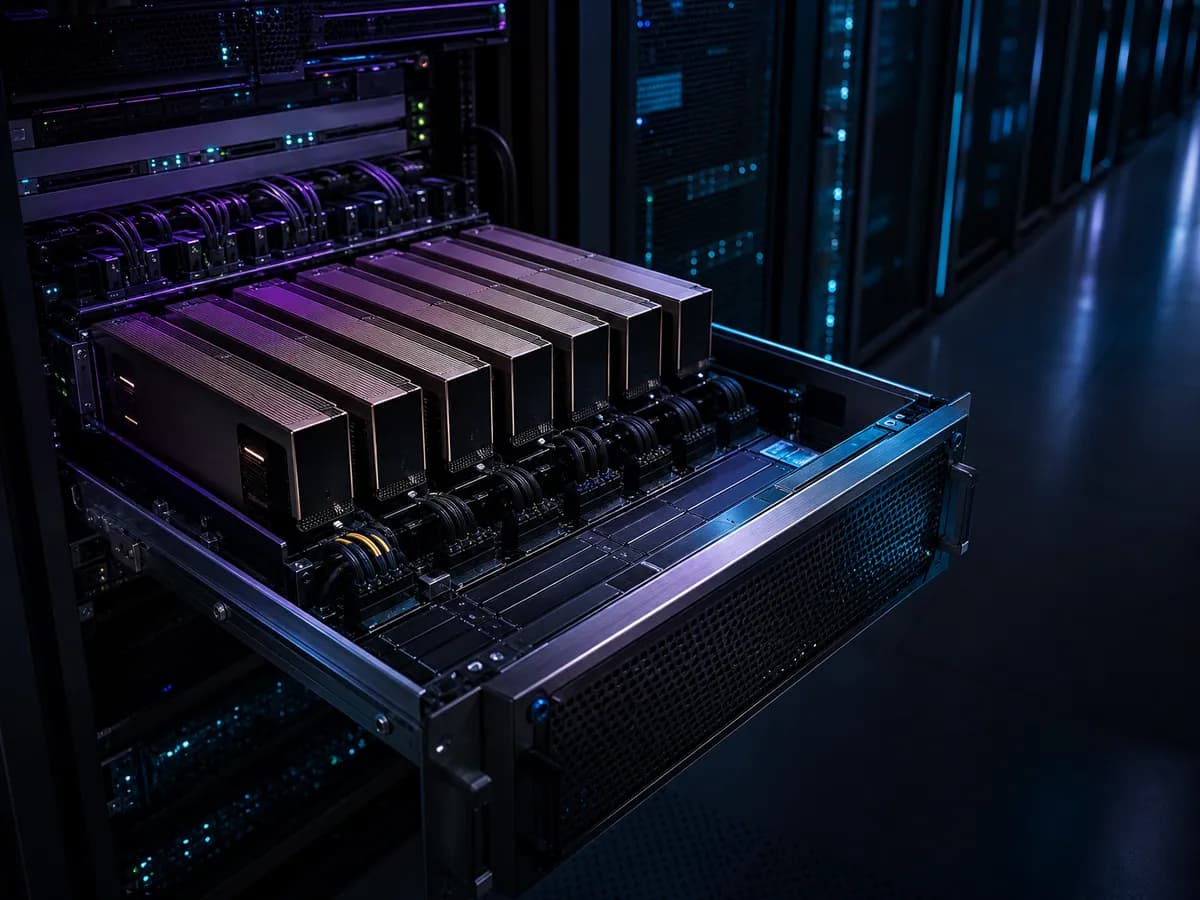
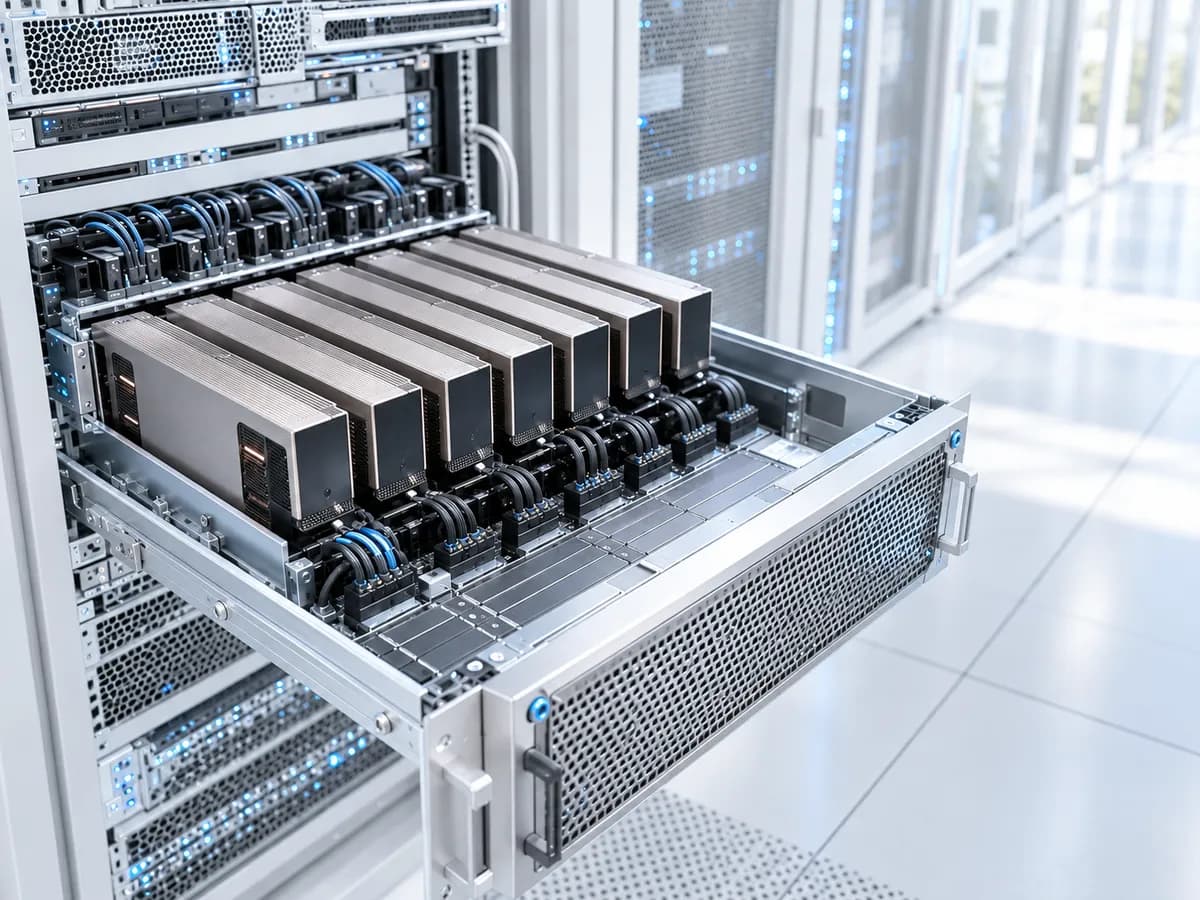
Available 11 pm – 8 am. Yours again for the day.
Illustrative
For security, privacy and sovereignty
The entire platform, as private as you need it.
Some organizations can’t share the software that manages their GPUs with other companies, or let anyone outside run it. They shouldn’t have to give up modern tooling because of it. Kinesis Private comes in two levels, and both run the same Kinesis your teams would use anywhere else.
- Isolated: a dedicated deployment, sealed off from every other customer and run by Kinesis.
- Fully private: everything, including the software that manages your GPUs, runs in your data center. Kinesis is not in the loop.
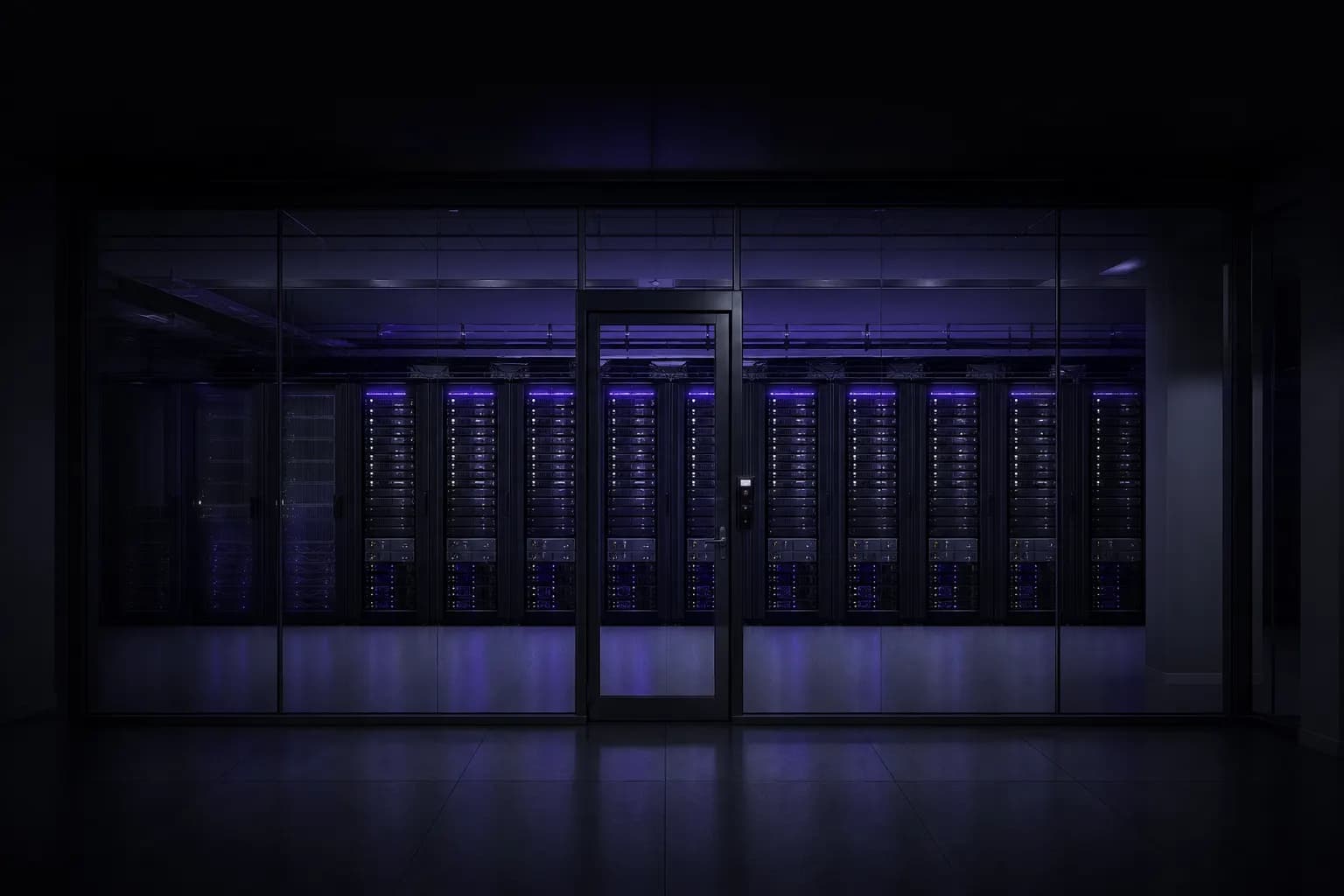
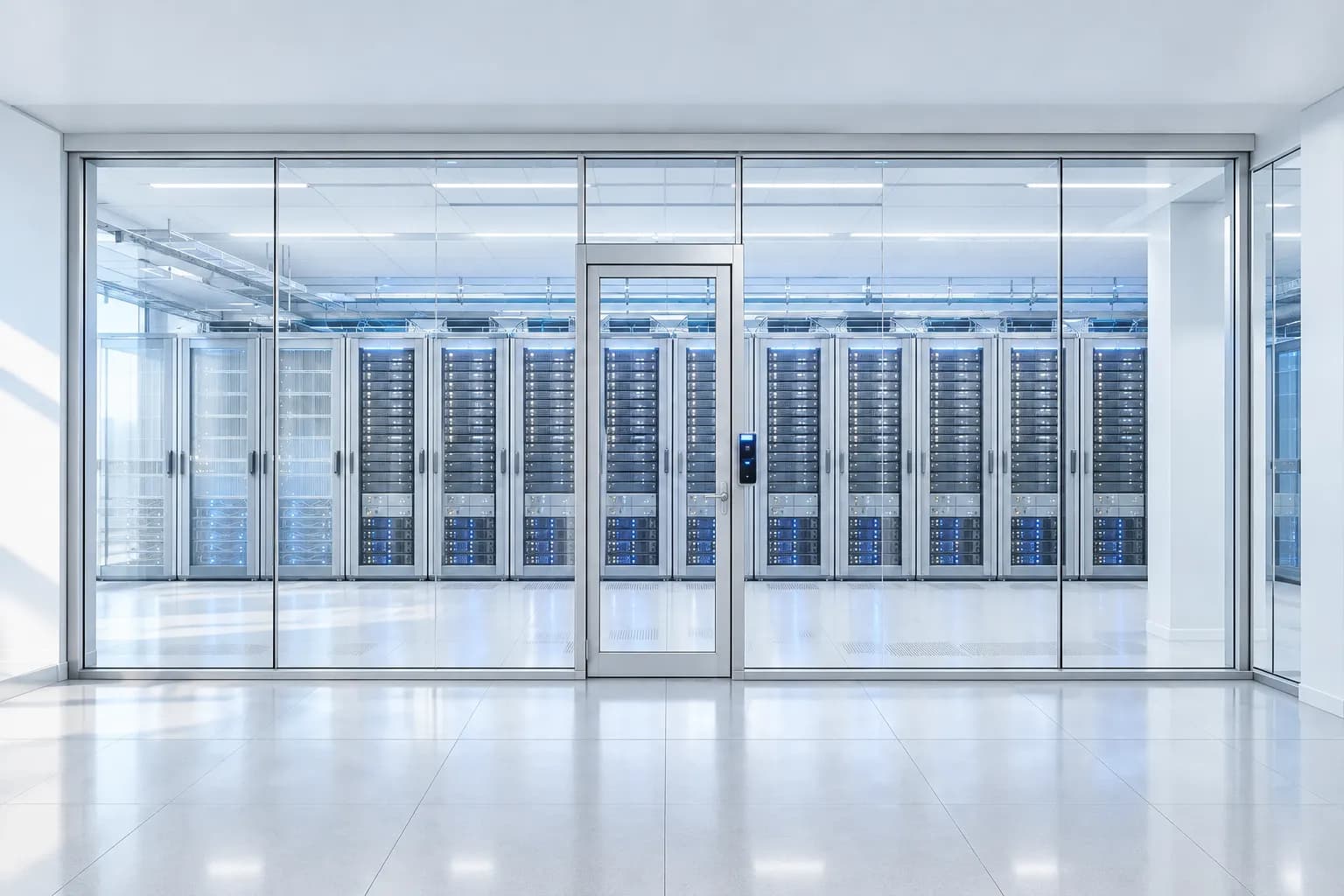
Fully private
Your environment
Keys, logs and audit trail stay in your data center.
What we shipped
78 releases so far this year.
We put something new in customers’ hands almost every week. Here are a few from the last three months. Read the full changelog →
October 2026
Enterprise single sign-on
Sign in with your identity provider, verify your domains and require SSO for every member.
October 2026
Kinesis inside Claude
Connect Kinesis to Claude and manage your deployments from the assistant you already use.
October 2026
One-click rollback
Roll a GitHub-deployed app back to any earlier build, without rebuilding.
September 2026
A public REST API and MCP server
Everything in the portal, from your scripts and your agents.
September 2026
Per-person quotas on shared Grids
Cap GPUs, apps and instances per person on each Grid.
September 2026
Any machine, behind any firewall
Office PCs, labs and on-prem servers join in minutes, with no inbound ports.
August 2026
GPU slicing with MIG
Split supported data center GPUs into isolated slices.
August 2026
Fair-share scheduling
When GPUs run short, every team gets its turn.
Recognition and press
What others have said about our work.
App Deployment Platform of the Year 2026
CIOReview
- Managed Compute Cloud Solution of the Year 2026, CIOReview
- Bronze Stevie® Award 2025, New Service of the Year
- Fierce NetworkCan an old networking concept solve today’s compute shortage?
- IEEE SpectrumThe AI boom is giving rise to GPU-as-a-Service
- SiliconANGLEMulticloud GPU compute-as-a-service startup Kinesis Network goes fully serverless
- InformationWeekThe cloud you want versus the cloud you need
Our story
Somewhere right now, a research team is waiting days for a GPU. Somewhere else, a very expensive one is taking a nap.
The world is spending hundreds of billions of dollars on AI hardware, and much of it still sits idle. Not because nobody needs it, but because the people who need it can’t reach it. Capacity is scattered across clouds, data centers and buildings, each with its own console, contract, network and bill.
Electricity had the same problem once. It didn’t scale when someone built a bigger generator. It scaled when grids connected generators of every size to every outlet, and when meters and shared rules let people who had never met buy and sell power safely. Compute is where electricity was before the grid.
Two of us, Baris and Hamza, met at Microsoft in 2005, and we’ve been building together ever since. Toshi and David came from Microsoft, Mozilla, Asana and Meta. Before Kinesis, Baris and Hamza built C0D3R, a decentralized network of tens of thousands of machines that served trillions of relays over time. It showed us that machines spread across the world can behave like one system, if someone does the patient work of connecting them, securing them and making them easy to use.
So in 2024 we started Kinesis to build that grid for compute: first inside each organization, so every GPU it uses works as one system, and then between organizations, so spare capacity reaches the people who need it.
Your compute. Our compute. Everyone’s compute.
If you run AI, own GPUs, or simply care about where compute is going, we’d love to hear from you.

Baris Saydag
CEO and CTO

Hamza Ak
COO

Toshihito Kikuchi
Chief Engineer

David Ding
Head of UX
Get in touch
Talk to the people building it.
Customers
Tell us what you run and where. We will tell you honestly whether Kinesis fits, and where it doesn’t.
Talk to us →Investors
Where Kinesis is going, and how we plan to build the grid for the world’s compute.
Investor relations →Press
Interviews, briefings and background on the compute market.
Press inquiries →